
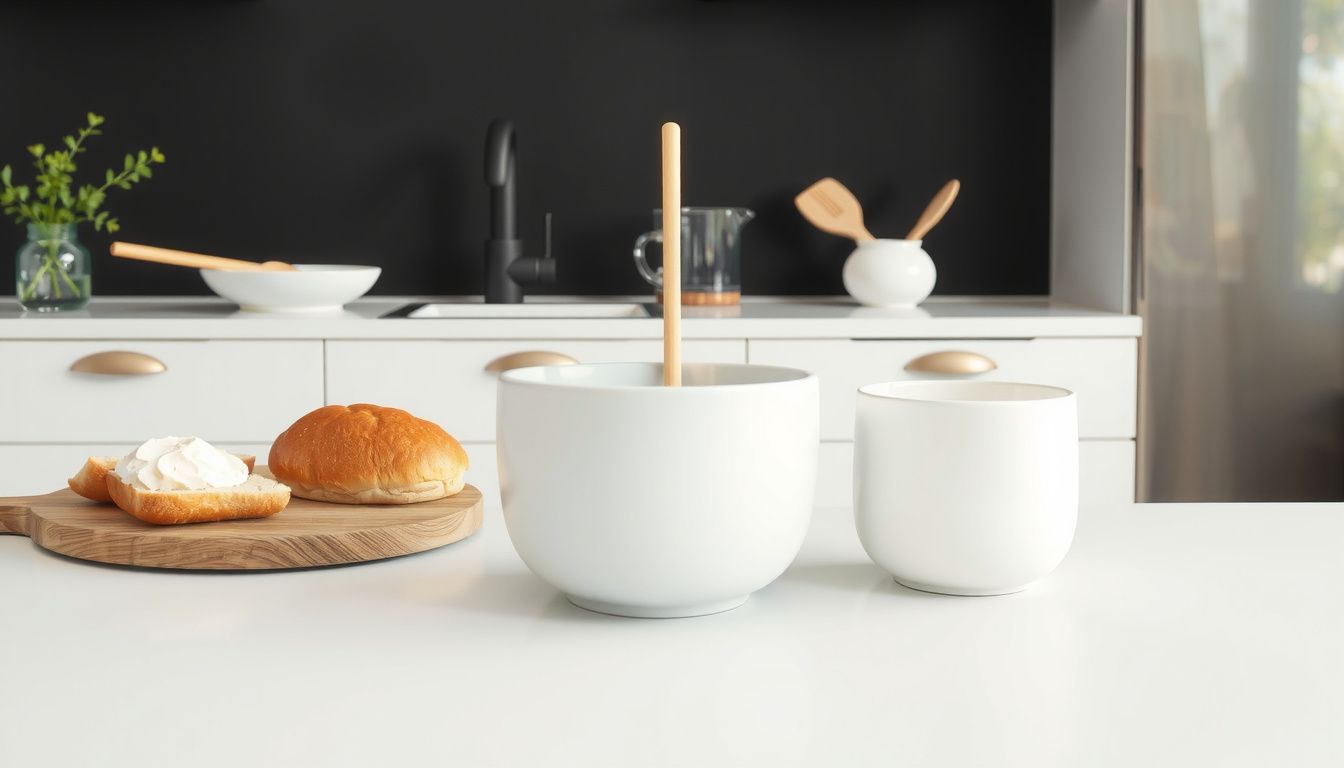
What Is a Scratch Kitchen? My Experience With Fresh, Homemade Meals
If you’ve ever wondered what is a scratch kitchen, I’ll get right to it: a scratch kitchen is one where food is prepared entirely from raw ingredients—no premade sauces, frozen entrées, or shortcuts from a can. When I step into a scratch kitchen, I know the cooks are slicing, chopping, simmering, and baking everything by hand, often using locally sourced or fresh ingredients. There’s a world of difference in flavor, nutrition, and even pride.
Having worked in both scratch and non-scratch kitchens, I can tell you the atmosphere and results are completely different. Let me break down exactly what makes a scratch kitchen special, how to spot one, why I care so much, common misconceptions, and how you can start your own scratch-cooking journey—even if you’re short on time or skill.
What I Mean by a Scratch Kitchen
When I say “scratch kitchen,” I mean a place where the entire cooking process starts with raw, whole foods. Every dish is built from the ground up—think onions and garlic hitting the pan, flour and eggs turning into pasta, or whole tomatoes simmering into sauce. There’s no reliance on pre-diced vegetables, bagged mixes, or corporate spice packets.
Everything is crafted by hand, with a clear line of sight from ingredient to plate.
Here’s a quick comparison:
| Scratch Kitchen | Non-Scratch Kitchen |
|---|---|
| Fresh produce, whole proteins, made-from-scratch sauces | Frozen meals, bottled sauces, pre-chopped ingredients |
| Recipes created and adjusted on-site | Standardized, reheated meals |
This approach isn’t just for fancy restaurants. I’ve seen small diners, food trucks, and even home kitchens embrace the scratch model—often with incredible results.
How I Recognize Scratch Cooking in Practice
Spotting a scratch kitchen can be tricky if you don’t know what to look for. I pay attention to a few telltale signs:
- Open Prep Areas: If I see chefs actively chopping, kneading, or blending, that’s a strong indicator.
- Seasonal Menus: Dishes change with the seasons, reflecting ingredient availability.
- Unpredictable Wait Times: Real scratch cooking sometimes takes longer—especially during busy periods.
One real-world example: I visited a cafe in Portland where the daily soup changed based on what the farmer delivered that morning. The kitchen was tiny, but I could hear the staff discussing which herbs to use and see them prepping vegetables right behind the counter. That’s scratch cooking in action.
Why Cooking From Scratch Matters to Me
For me, the appeal of scratch cooking goes beyond taste—though, let’s be honest, the flavor is usually unbeatable. When I cook from scratch, I control every ingredient. That means less sodium, fewer preservatives, and zero mystery additives.
I know exactly what’s going into my body and can adjust recipes for dietary needs or allergies.
There’s also a deep sense of accomplishment. When I serve a loaf of bread or a pot of stew I made from scratch, I feel connected to the process and the people I’m feeding. It’s healthier, more sustainable, and often more affordable in the long run.
Yes, it takes time. But the rewards—freshness, nutrition, and pride—are worth it every single time.
Common Myths I’ve Heard About Scratch Kitchens
I’ve heard plenty of misconceptions about scratch kitchens. Here are the biggest ones I encounter:
- Myth: It’s Only for Fancy Restaurants. Reality: I know plenty of home cooks and small cafes doing scratch cooking every day.
- Myth: Scratch Cooking Is Too Expensive. Reality: Buying whole foods and cooking in bulk often saves money compared to prepackaged meals.
- Myth: You Need Professional Training. Reality: I started with basic skills and built up confidence over time—anyone can learn.
Look, it’s not about perfection or Instagram-worthy plates. It’s about real food made with care, wherever you are.
Tips I Use to Start My Own Scratch Kitchen
If you want to embrace scratch cooking, I recommend starting small. Here’s what worked for me:
- Pick One Meal to Master: Start with breakfast or a simple dinner—think omelets or chili.
- Stock Basic Ingredients: I always keep onions, garlic, flour, eggs, and a few spices on hand. These form the backbone of countless recipes.
- Batch Prep When Possible: I double recipes and freeze leftovers to save time on busy days.
- Learn Knife Skills: Chopping efficiently makes everything faster and more fun.
- Don’t Sweat Mistakes: I’ve burned, over-salted, or undercooked plenty of dishes. Each mistake taught me something.
Scratch cooking isn’t about making everything from scratch all at once. It’s a journey—one new recipe or technique at a time.
The Short Version
So, what is a scratch kitchen? It’s a kitchen where real food is made from real ingredients, with hands-on care and creativity. I’ve found that cooking from scratch leads to better flavor, more nutrition, and a deeper sense of accomplishment.
If you’re curious, try making just one meal from scratch this week. You might be surprised how much you enjoy the process—and the results. Whether you’re running a restaurant or cooking for yourself, a scratch kitchen is always within reach.


