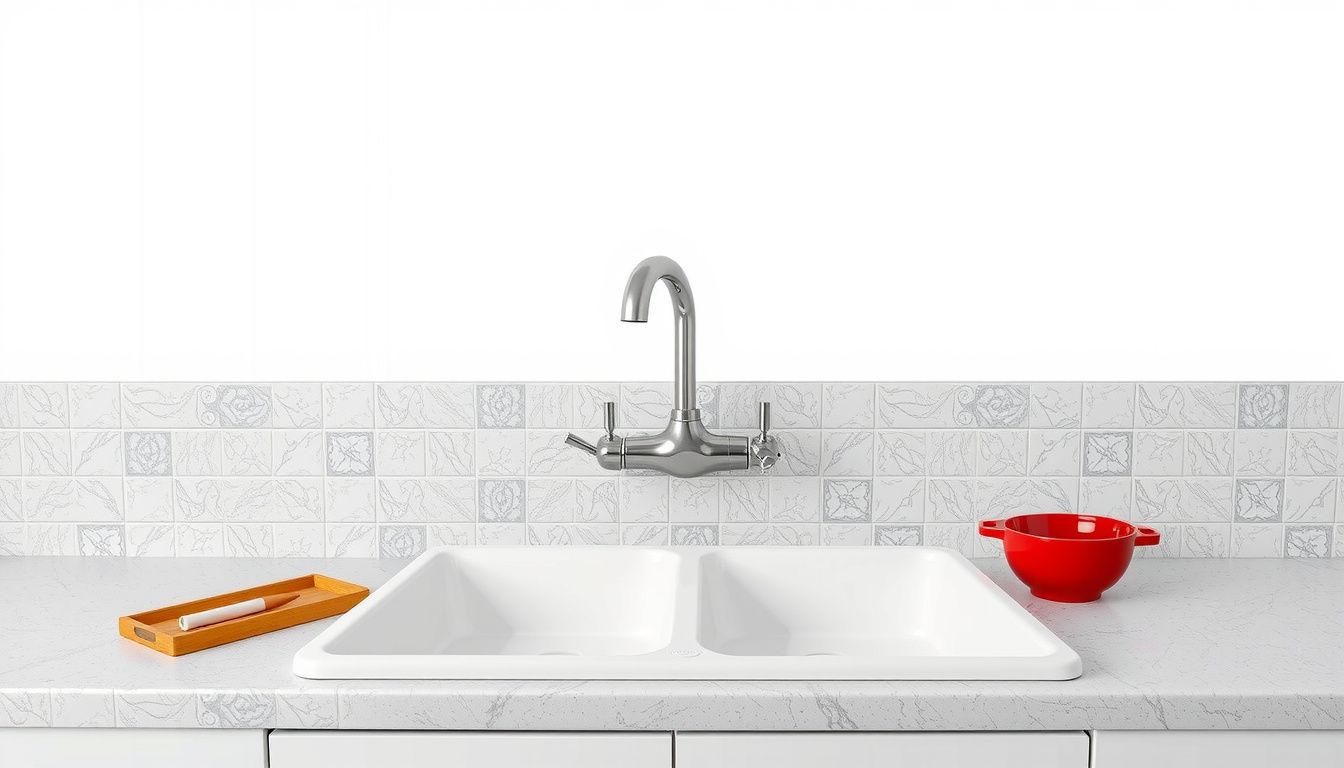
How to Install a New Kitchen Sink: Step-by-Step for a Smooth Upgrade
If you’re wondering how to install a new kitchen sink, you’re in the right place. I’ve tackled this DIY project both in my own home and for friends, and I can tell you—while it’s not exactly plug-and-play, it’s absolutely doable if you take it step by step. The process involves removing your old sink, prepping the countertop, fitting the new sink, and making sure those tricky plumbing connections don’t leak.
I’ll walk you through each phase with the clearest instructions I know, using the same approach I used when I helped my neighbor swap out her leaky stainless sink last spring. Let’s get started and make your kitchen upgrade a success.
Gather My Tools and Materials Before Starting
Getting organized makes everything smoother. Here’s what I always have ready before I start replacing a kitchen sink:
- Adjustable wrench
- Basin wrench
- Plumber’s putty or silicone caulk
- Bucket and towels
- Utility knife
- Screwdriver (flathead and Phillips)
- Plumber’s tape
- Pipe wrench
- New sink and faucet
- New supply lines or drain kit (if needed)
Double-check that you have all parts included with your new sink, especially mounting hardware and gaskets. Trust me, running to the hardware store mid-project is no fun. If you’re installing a different shape or size, measure your countertop opening first—this avoids headaches later.
Pro Tip: Lay out all tools and materials on a towel to keep track and protect your countertop.
Turn Off Water Supply and Remove the Old Sink
Now it’s time to get your hands dirty. Start by shutting off both hot and cold water supply valves under the sink. If they’re stuck, use penetrating oil and wait a few minutes.
Open the faucet to relieve pressure and make sure no water’s left in the lines.
- Disconnect the water supply lines using your adjustable wrench.
- Place a bucket under the drainpipes to catch water, then loosen slip nuts and remove the P-trap and drain assembly.
- If you have a garbage disposal, unplug and detach it according to the manufacturer’s instructions.
- Cut through any caulk sealing the old sink to the countertop with a utility knife.
- From below, undo the mounting clips. Carefully lift out the old sink. It may be heavy or stuck—don’t force it, gently wiggle it free.
Common mistake: Forgetting to disconnect the dishwasher line if it’s connected to the sink drain.
Prepare the Countertop for My New Sink
With the old sink gone, I always take a few minutes for a thorough inspection. Scrape away leftover caulk or debris using a putty knife. Wipe the countertop clean with warm, soapy water and let it dry completely so the new sealant will stick.
If the new sink is larger, trace the template (usually supplied) onto the countertop, then carefully cut with a jigsaw. For smaller sinks, check for gaps—these can be filled with a trim kit or caulk. Now’s the time to dry-fit the new sink.
Set it in the opening to ensure it sits flush and the mounting holes line up. If it rocks or doesn’t fit snugly, adjust the cutout or supports underneath.
Example: When I helped my friend install a farmhouse sink, we had to trim just 1/8 inch off the laminate counter for a perfect fit. Taking your time here pays off in the final result.
Install the New Sink and Make Plumbing Connections
This is where the transformation happens. First, apply a bead of plumber’s putty or silicone caulk around the sink’s edge (check your sink’s instructions for which to use). Carefully lower the sink into place and press down evenly.
- Secure the sink using the provided mounting clips. Tighten them just enough to hold the sink firmly—over-tightening can crack some materials.
- Install the faucet and any accessories (like soap dispensers) before connecting the plumbing. It’s much easier when the sink isn’t crowded by pipes.
- Attach the water supply lines and drain assembly. Use plumber’s tape on threaded connections for a leak-free seal.
- If you removed a garbage disposal, reinstall it according to the instructions.
Double-check all connections. A flashlight helps here—I always look for gaps or misaligned washers that could cause leaks.
Pro Tip: Replace old or brittle supply lines for peace of mind. It’s a five-minute job that can prevent a major leak later.
Test the Installation and Clean Up
Ready for the big reveal? Open the supply valves slowly and check for leaks at every joint. Run both hot and cold water for several minutes.
Watch under the sink for any drips—tighten connections if needed.
- Fill the sink and let water drain out, checking around the drain and P-trap for leaks.
- Test the garbage disposal and dishwasher connections (if applicable).
- Wipe away any excess caulk or putty from around the sink with a damp cloth.
Once you’re leak-free, clean up your workspace and put tools away. Take a moment to admire your work—there’s real satisfaction in knowing you did it yourself. I always recommend checking under the sink after 24 hours to confirm no slow leaks developed overnight.
Common mistake: Rushing through the leak check. Take your time—water can find the tiniest gaps!
Putting It Into Practice
I find that installing a new kitchen sink is one of the most satisfying weekend upgrades. The steps aren’t complicated, but attention to detail makes all the difference. If you follow each phase—prepping, removing, fitting, and testing—you’ll get a watertight, professional-looking result.
Don’t hesitate to pause and double-check your work at each stage. That’s how I avoid costly mistakes. With the right tools, some patience, and this guide, you’re well equipped to handle your own installation.
Now, roll up your sleeves and make that kitchen shine.