How Long To Cook Frozen Salmon In Air Fryer: Proven Times & Tips
Achieving perfectly cooked, flaky frozen salmon in your air fryer is simpler and faster than one might imagine, transforming weeknight meals. Understanding how long to cook frozen salmon in air fryer ensures a tender interior and crisp exterior every time.
Many home cooks face challenges with meal planning, often resorting to less healthy options when time is short. Frozen fish fillets offer a practical alternative, but precise cooking parameters are crucial to avoid dryness or an undercooked center. This method addresses the common dilemma of preparing nutritious meals quickly. The problem? Most guides skip the How Long To Cook Frozen Salmon In Air Fryer part of the process.
Food safety guidelines emphasize reaching an internal temperature of 145°F (63°C) for salmon to be considered safe for consumption.
This guide will detail the exact cooking time adjustments and techniques required for various salmon fillet thicknesses. Readers will learn to confidently prepare consistently delicious frozen salmon, ensuring optimal texture and adherence to essential food safety standards.
What is the Ideal Air Fryer Temperature for Frozen Salmon?
The ideal air fryer temperature for frozen salmon is generally 380°F (193°C), providing a balance between thorough cooking and preventing the exterior from drying out before the interior reaches the correct temperature. This setting ensures the frozen fish fillets cook evenly from their solid state. Maintaining this consistent temperature is crucial for achieving a flaky texture and a safe salmon internal temperature.
Setting the air fryer to 380°F allows the heat to penetrate the frozen salmon gradually. This method minimizes the risk of a burnt exterior while the core remains undercooked, a common issue with higher temperatures. Proper air fryer cooking relies on this precise thermal management for delicate proteins.
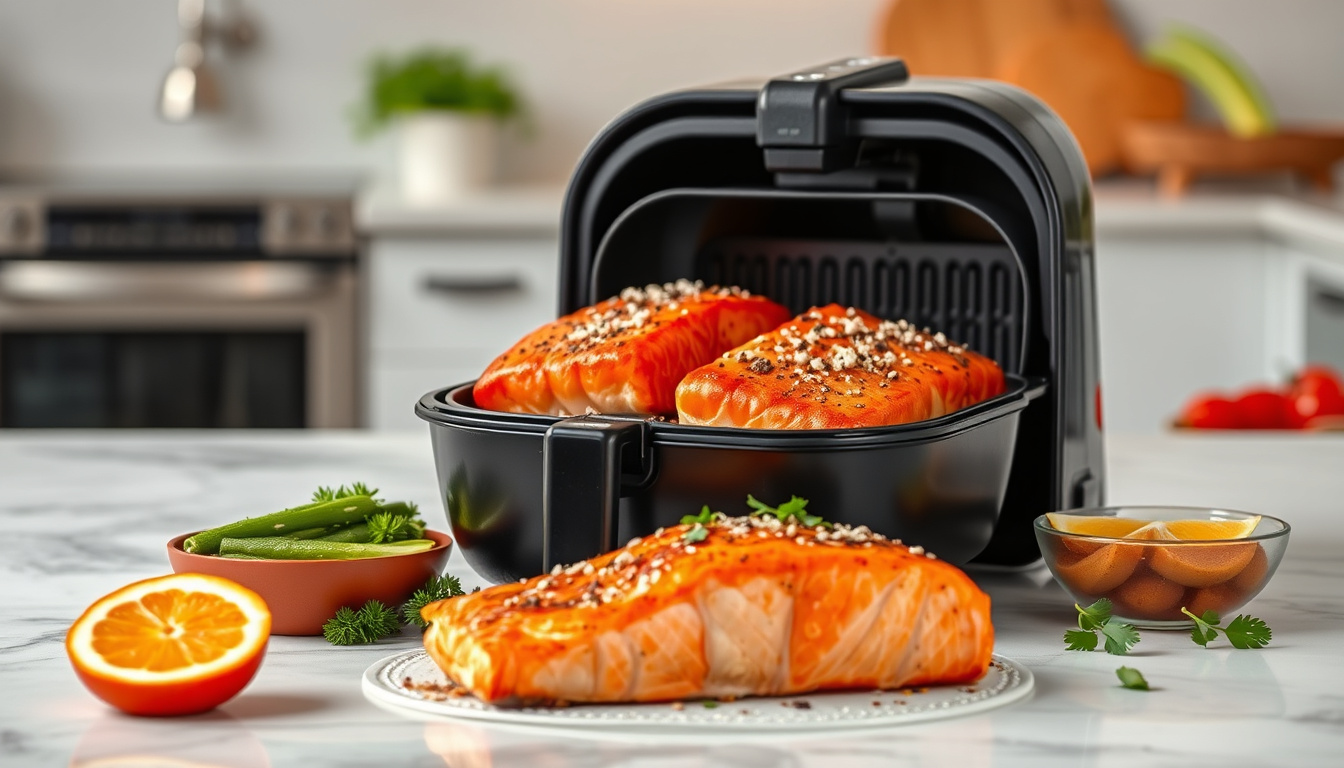
For instance, a standard 6-ounce, one-inch-thick frozen salmon fillet placed in a preheated air fryer at 380°F typically requires 13-16 minutes to cook through. This timeframe allows sufficient cooking time adjustments for the fish to transition from frozen to fully cooked. Always verify the salmon has reached an internal temperature of 145°F (63°C) using a meat thermometer to adhere to food safety guidelines.
Many home cooks overlook the necessity of preheating the air fryer, which significantly impacts the initial cooking phase for frozen items. Skipping this step can extend the overall cooking duration and lead to inconsistent results when learning how long to cook frozen salmon in air fryer. A properly preheated appliance immediately begins the thawing and cooking process.
Achieving perfectly cooked frozen salmon in an air fryer depends on precise temperature control.
This consistent temperature and attention to preheating are key factors in how long to cook frozen salmon in air fryer effectively. It ensures a desirable outcome for every meal.
Essential Steps for Perfectly Air-Fried Frozen Salmon
Achieving perfectly cooked frozen salmon in an air fryer requires a methodical approach for thorough cooking and desirable texture. Understanding how long to cook frozen salmon in air fryer involves precise timing for optimal results.
Home cooks often compromise texture by seasoning heavily frosted fillets directly. This oversight washes off flavors, preventing a crisp crust.
Proper surface management is the key to superior air-fried frozen salmon.
A strategic two-phase cooking process manages surface moisture. An initial cooking at 350°F (175°C) for 5 minutes dries the surface, allowing seasonings to adhere for better browning.
- Preheat the Air Fryer — Set the appliance to 380°F (195°C) and preheat for five minutes for consistent frozen fish fillets.
- Prepare Fillets with Oil — Lightly brush frozen fish fillets with a high smoke point oil, like avocado, to prevent sticking and promote even browning.
- Initial Cooking Phase — Place oiled frozen salmon fillets in the preheated basket, cooking at 380°F (195°C) for 6-8 minutes to melt surface ice. This initial phase helps determine how long to cook frozen salmon in air fryer.
- Flip and Season — Remove basket, flip each fillet, and apply desired seasonings generously; the surface is now receptive to herbs and spices.
- Complete Cooking and Check Temperature — Continue cooking until salmon internal temperature reaches 145°F (63°C), ensuring food safety guidelines are met. This final duration dictates how long to cook frozen salmon in air fryer for taste.
How Long To Cook Frozen Salmon In Air Fryer for Optimal Flakiness?
Achieving optimal flakiness when determining how long to cook frozen salmon in air fryer settings requires precise temperature management. Many cooks mistakenly apply high heat immediately, resulting in a dry exterior before the center is fully cooked. The objective is to gently bring the salmon to temperature, allowing ice crystals to melt evenly.
The primary factor influencing how long to cook frozen salmon in air fryer remains the thickness of the frozen fish fillets. A 1-inch thick frozen salmon fillet, preheated at 380°F (193°C), typically requires 13-16 minutes. This duration ensures the salmon internal temperature reaches 145°F (63°C).
A common misconception involves increasing temperature aggressively to compensate for the frozen state. This approach causes the exterior to overcook before the interior thaws, leading to uneven doneness. A slightly lower, consistent temperature for a longer initial period prevents this outcome.

Factors Affecting Cook Time
Several variables contribute to total time. Air fryer wattage, starting fillet temperature, and thickness alter how long to cook frozen salmon in air fryer.
A precise internal temperature reading is non-negotiable for perfectly flaky salmon.
Checking for Doneness
An accurate read of salmon internal temperature is the most reliable indicator of doneness. The U.S. FDA recommends 145°F (63°C) for cooked fish, meeting food safety guidelines.
Resting Period Importance
Allowing the salmon to rest for 3-5 minutes after air fryer cooking is critical. Residual heat continues cooking and juices redistribute, crucial for moisture and signature flaky texture.
Common Mistakes When Air Frying Frozen Salmon and How to Avoid Them
Successfully preparing frozen salmon in an air fryer often hinges on avoiding errors compromising texture and flavor. How long to cook frozen salmon in air fryer requires awareness of these mistakes. Many users mistakenly assume uniform heat distribution, leading to inconsistent results with frozen fish fillets.
Careful preparation ensures superior air-fried frozen salmon.
Overcrowding the Basket
A common mistake is placing too many frozen salmon fillets in the air fryer. This hinders air circulation, preventing even cooking and crisping. For example, cooking over two 6-ounce portions in a 5.8-quart basket often results in steaming, not frying, making it difficult to reach desired salmon internal temperature.
Skipping the Preheat
Failing to preheat the air fryer before adding frozen salmon is an oversight. Preheating ensures the cooking environment reaches target temperature instantly, promoting rapid surface crisping. This immediate heat application helps seal in moisture, surprisingly preventing the exterior from drying out while the interior thaws, yielding a more succulent final product.
Not Using Oil or Seasoning
Omitting oil and seasoning significantly impacts air fryer cooking. A light oil coating is essential for a crispy exterior and preventing sticking; applied seasonings ensure flavor absorption, influencing how long to cook frozen salmon in air fryer for best taste and meeting food safety guidelines at 145°F (63°C).
Maximizing Flavor: Seasoning and Serving Suggestions
To truly elevate the taste of salmon, understanding how long to cook frozen salmon in air fryer is only half the battle. Strategic seasoning proves more critical for frozen fish fillets than for fresh fillets, as the freezing process can subtly mute natural flavors and alter texture.
The direct, rapid heat of air fryer cooking demands a nuanced approach to seasoning application. Applying dry rubs or oil-based marinades *before* the initial cooking phase allows the flavors to penetrate as the salmon thaws and cooks simultaneously, rather than merely sitting on the surface.
A common culinary oversight involves waiting until the salmon is partially cooked to add complex flavor profiles, which reduces absorption. For instance, a simple blend of smoked paprika, garlic powder, onion powder, and a touch of dried dill, mixed with a light olive oil, adheres effectively to the frozen surface, infusing flavor from the start.
Thoughtful seasoning transforms a basic meal into a memorable culinary experience.
Beyond seasoning, presentation and pairing significantly enhance the dining experience after proper air fryer cooking. Consider serving the air-fried salmon with a vibrant lemon-dill sauce or a fresh mango salsa, which provide contrasting textures and bright, complementary flavors.
Another effective strategy involves side dishes that balance the richness of the fish. Roasted asparagus, a light quinoa salad, or steamed green beans offer nutritional balance and visual appeal, making how long to cook frozen salmon in air fryer a step towards a complete, satisfying meal. Ensuring the salmon internal temperature reaches 145°F (63°C) also ensures food safety guidelines are met.
Mastering Your Air Fryer for Perfect Frozen Salmon
Achieving perfectly cooked frozen salmon in an air fryer hinges on two critical elements. Precise temperature control, typically between 380-400°F, combined with accurate cooking durations, ensures the fish reaches optimal internal doneness without drying out. Equally important are foundational techniques such as preheating the air fryer and applying a light coat of oil to the salmon.
Implement these guidelines by selecting a quality frozen salmon fillet and preparing it with a simple seasoning blend. Focus on maintaining a consistent air fryer temperature and using a meat thermometer to verify internal doneness.
The air fryer simplifies preparing a nutritious and delicious meal from frozen, making it an accessible option for busy individuals. Begin experimenting with different seasonings to personalize your next frozen salmon dish.